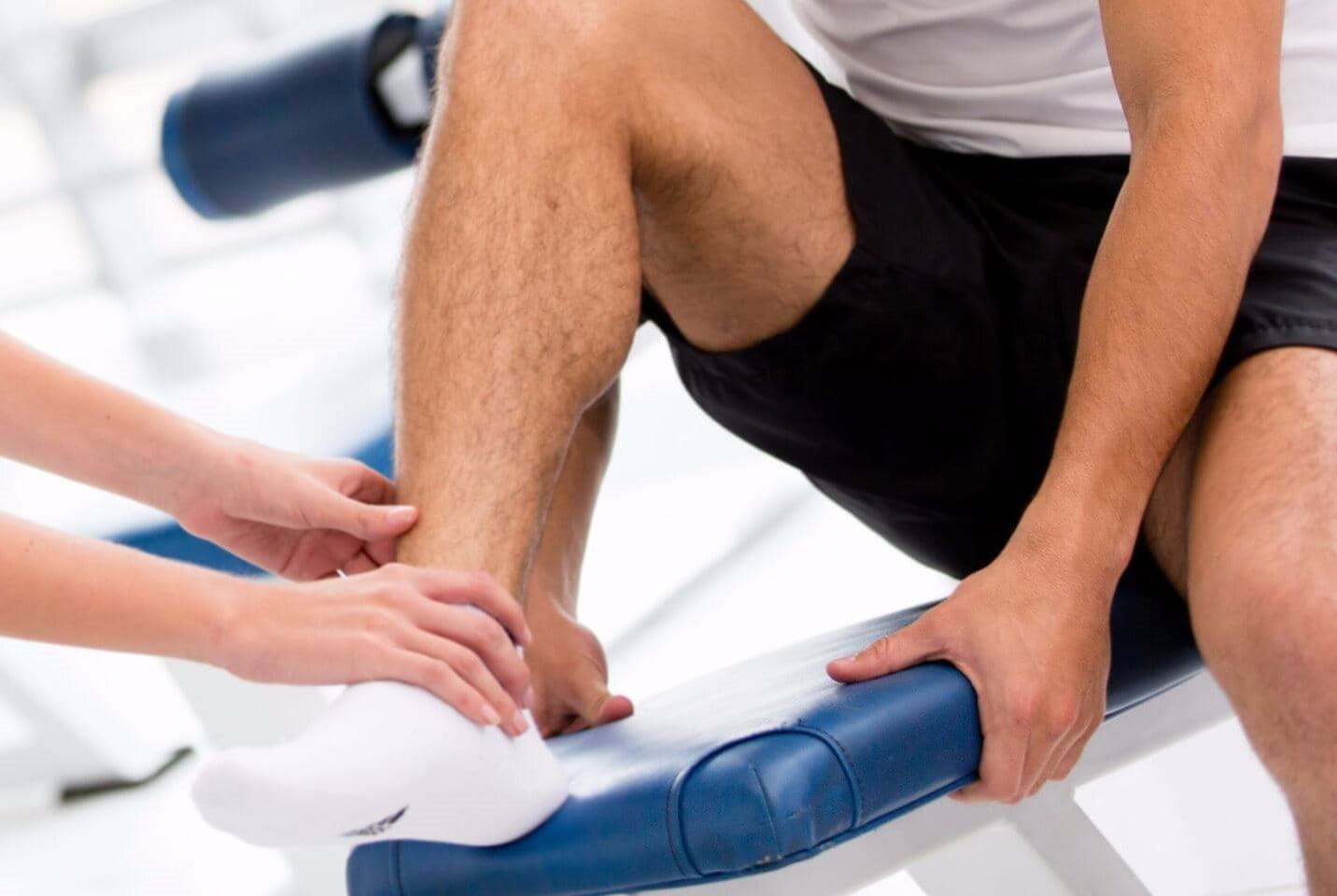

The RICER first aid protocol is a proven method for managing soft tissue injuries such as sprains and strains. It stands for Rest, Ice, Compression, Elevation, and Referral, helping reduce pain, swelling, and further damage. Following the RICER protocol promptly can significantly shorten recovery time and improve healing outcomes. Elastoplast offers a range of supportive products, including compression, designed to complement RICER and provide effective injury care. Following the RICER steps early is recommended in first-aid guidance for a quicker return to activity.
What RICER?
The RICER protocol in first aid stands for Rest, Ice, Compression, Elevation, and Referral. It’s a key method for treating soft tissue injuries like sprains and strains, helping reduce pain, swelling, and further damage. Originally known as RICE, the addition of Referral in Australian guidelines highlights the importance of seeking professional care for proper diagnosis and recovery. Understanding RICER first aid means faster healing and a smoother return to activity, making it essential for effective injury management.
RICER First Aid Steps Explained
- Rest
Stop activity immediately to prevent further damage. Avoid putting weight on the injured area and keep movement minimal. Resting early reduces strain and speeds recovery. - Ice
Apply a cold pack (e.g., hot/cold pack) wrapped in a towel for 20 minutes every 2 hours during the first 48 hours. Ice helps reduce pain, swelling, and bleeding.
Tip: Never apply ice directly to skin. Take extra care with children or those with circulatory issues. - Compression
Use a compression bandage to limit swelling and bleeding.
- Apply on clean, dry skin using a spiral technique, overlapping by half to two-thirds.
- For joints (i.e. knee or ankle), use a figure-8 method.
- Do not stretch the last 10 cm of the bandage.
Tip: Check circulation regularly. Fingers or toes should not feel cold, numb, or turn blue.
- Elevation
Raise the injured area above heart level to reduce swelling and bleeding.
Tip: Use pillows for comfort and support during elevation in RICER first aid. - Referral
Seek professional care from a doctor or physiotherapist for accurate diagnosis and treatment. Referral ensures proper recovery and prevents complications.
Benefits of the RICER Protocol
The RICER protocol offers key benefits for managing soft tissue injuries like sprains and strains. By following RICER in first aid, you can:
- Reduce swelling and pain
- Prevent further damage
- Speed up recovery
- Minimise bleeding in tissues
Using supportive products enhances results. Explore Elastoplast solutions for compression. This includes a Crepe Bandage, Kinesiology Tape or Comfort Supports.
Common Mistakes to Avoid with RICER First Aid
Avoid these common mistakes when following RICER first aid instructions:
- Applying ice directly to the skin, which can cause burns
- Bandaging too tightly, restricting circulation
- Not resting enough, leading to further damage
- Skipping elevation, which helps reduce swelling
- Delaying referral for severe injuries, risking complications
Correct application of the RICER protocol ensures faster recovery and better outcomes for sprains and strains. Always check circulation after compression and seek professional advice when needed.
When to Seek Professional Help
Under the RICER protocol, seek medical care if you notice:
- No improvement after 48 hours
- Severe pain or swelling
- Inability to bear weight
- Signs of infection (redness, heat, pus)
- Numbness or visible deformity
Referral ensures accurate diagnosis and safe recovery. Don’t delay professional help for serious injuries.
Elastoplast Products for RICER First Aid
The RICER protocol; Rest, Ice, Compression, Elevation, Referral, helps manage soft tissue injuries by reducing pain, swelling, and bleeding, preventing further damage, and speeding recovery. Avoid mistakes like direct ice contact or tight bandaging and seek professional help for severe symptoms or no improvement or if you are unsure. Try Elastoplast products to help with the recovery:
Compression Bandages: For effective swelling control. Such as Elastoplast Tubular Support Bandages or Cohesive Compression Bandages.
Sports Tapes: For added support during recovery. Such as Elastoplast Rigid Strapping Tapes.
Ankle Supports: For prevention of post–injury. Such as Elastoplast Comfort Supports or Protective Supports.
FAQs
-
What does RICER mean in first aid?
RICER is a first aid protocol for injuries such as sprains and strains. It stands for Rest, Ice, Compression, Elevation, and Referral, helping reduce pain, swelling, and speed recovery. -
What does RICER stand for first aid?
RICER stands for Rest, Ice, Compression, Elevation, and Referral. These steps work together to manage injuries effectively, prevent further damage, and ensure proper healing through professional care when needed. -
What is elevation in RICER first aid?
Elevation means raising the injured area above heart level. This reduces swelling and bleeding by improving fluid drainage. Use pillows for comfort and maintain elevation whenever possible during recovery. -
How does RICER differ from RICE?
RICER adds “Referral” to the original RICE protocol. This emphasises seeking professional care for proper diagnosis and recovery, aligning with Australian guidelines for comprehensive injury management. -
How long should I follow the RICER protocol?
You should follow the RICER protocol for the first 48–72 hours injury. This timeframe helps reduce swelling and pain. After that, gradually reintroduce gentle movement and seek professional advice if symptoms persist.