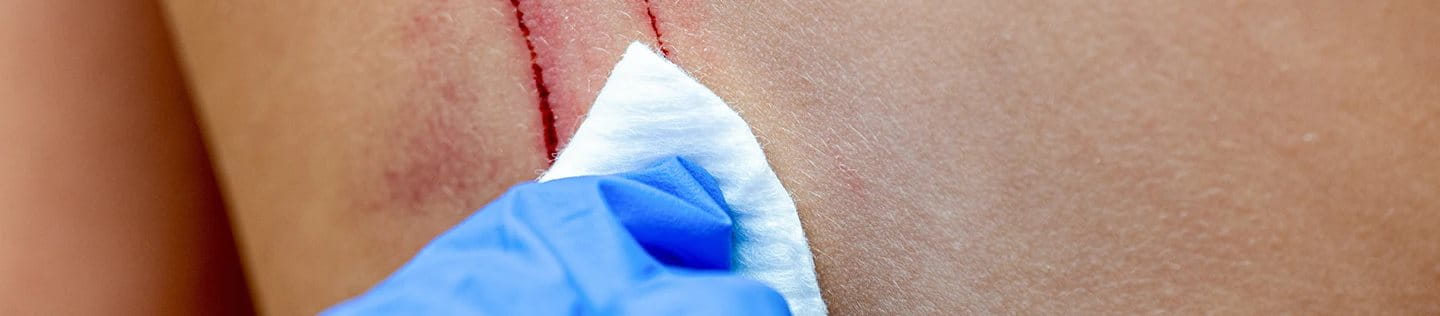
Scarring is a common concern after injuries, burns, or surgeries; the right care can make all the difference. Elastoplast offers advanced solutions to support the appearance of the skin during healing while supporting faster healing. Proper wound care is essential: keeping cuts, burns, and surgical wounds clean and protects from infection and promotes smooth recovery. Discover expert tips on how to stop scarring, and how to avoid scars with Elastoplast’s innovative products.
What Causes Scars?
Scars form when the skin’s deeper layer, the dermis, is damaged by cuts, burns, or surgery. Unlike the epidermis, the dermis cannot regenerate its original tissue. To repair the wound, the body produces large amounts of collagen, a protein that binds broken skin together and closes the injury. This process creates connective tissue that differs from normal skin, often less elastic and with poor blood circulation. Over time, scars may change in size and texture.
Types of Scars
- Hypertrophic Scars – Raised, thick scars that stay within the wound’s boundary.
- Keloid Scars – Overgrown, raised scars that extend beyond the original injury.
- Atrophic Scars – Sunken scars caused by tissue loss beneath the skin.
Learn how to minimise scarring and how to reduce scars with proper wound care and advanced solutions.
How to Minimise Scarring?
Leaving wounds uncovered or using standard plasters often leads to scab formation, increasing the risk of scars. Modern wound care technologies make healing faster and smoother. Follow these steps for best results:
- Clean the wound with Elastoplast Wound Spray.
- Use moist wound healing plasters like Elastoplast Second Skin plasters.
- Avoid picking scabs to reduce deeper damage.
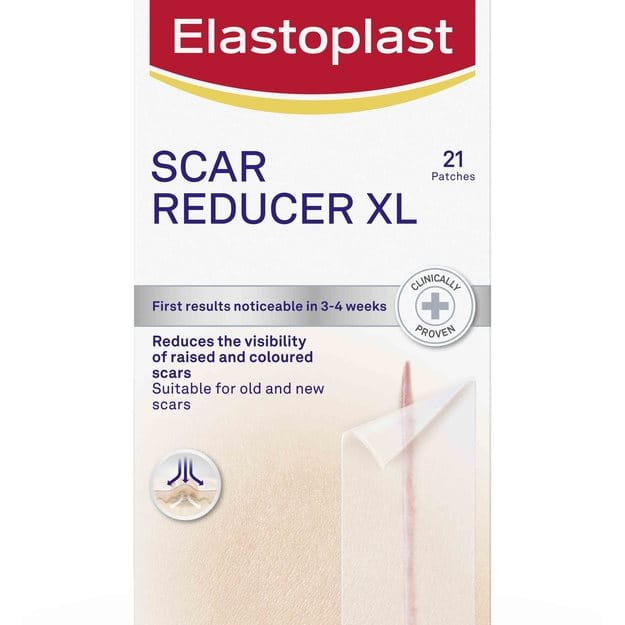
- Apply scar reduction products after healing for smoother skin. Like our Scar Reducer Patches.
How to Minimise Scarring from Cuts and Grazes
Moist wound healing reduces scabs and promotes faster repair, minimising scars.
Minimising Scarring from Burns
Keep burns covered with hydrocolloid plasters to maintain moisture and reduce tissue stress.
Minimising Scarring After Surgery
Use scar treatments post-healing for flatter, less visible scars.
Reducing Pimple Scars
Apply targeted scar gels and avoid squeezing pimples to minimiseatrophic scars.
Want to know more? Read “4 Reasons for Moist Wound Healing”
How to Stop a Keloid from Growing
A keloid is a raised, thick scar that extends beyond the original wound due to excess collagen production. How to stop a keloid from growing? Follow these tips:
- Apply silicone-based products early to flatten and soften the scar.
- Avoid unnecessary skin trauma, such as piercings or scratching near the wound.
- Monitor for keloid signs and consult a doctor for professional treatment options.
Smart care can help you manage scars effectively and reduce keloid formation. Try our Scar Reducer Patches.
Moist Wound Healing: The Key to Scar Reduction
Pre-clinical and clinical studies confirm that wounds heal faster under moist conditions, reducing scab formation and improving scar outcomes. Moist wound healing creates an optimal environment for cell growth and migration while preserving essential proteins in the wound. This advanced technology controls moisture and temperature, supporting natural skin repair. Try our Second Skin Hydrocolloid plaster for moist wound healing.
Benefits of Moist Wound Healing:
- Speeds up healing compared to dry healing.
- Minimises scab formation, reducing tissue stress.
- Reduces scarring risk for smoother skin.
- Keeps wounds flexible, promoting comfort and mobility.
Discover more about moist wound healing here.
When to See a Doctor?
If your wound shows no improvement, professional consultation is essential to avoid complications and manage scars effectively. Watch for these warning signs:
- Persistent redness or swelling that doesn’t fade.
- Signs of infection, such as warmth, pus, or foul odour.
- Keloid or hypertrophic scar growth beyond the wound area.
- Deep or large wounds requiring advanced care.
Other Treatment for Scars
When topical care isn’t enough, advanced scar treatment options can help improve appearance and texture. Common methods include:
- Laser treatment for scars or laser surgery for scars to reduce redness and smooth skin.
- Dermabrasion and chemical peels to resurface damaged layers.
- Collagen or steroid injections for raised or uneven scars.
- Surgical revision, cryosurgery, or skin grafts for severe cases.
Consult a dermatologist to choose the best treatment for your scar type and skin needs.
Elastoplast Products for Scar Reduction
To reduce scarring, clean wounds promptly, keep them covered with moist healing plasters, avoid picking scabs, and apply scar-reducing products after healing. Early care reduces scarring risk, speeds recovery, and promotes smooth, flexible skin. Try Elastoplast’s advanced solutions like:
Wound Healing Ointment: For moisturising and healing. Try here.
Hydrocolloid Plasters: For moist wound healing. Like our Second Skin Plasters.
Scar Reducer: For post-healing scar reduction. Try here.
Always see your doctor if the wound is deep, bleeding or shows signs of infection like reddening, swelling or warmth.
Also make sure to seek medical help if you are not able to clean the wound properly.
In case you have diabetes a proper wound care is of special importance. Always discuss any concerns you may have with your doctor and/or podiatrist, even for the care of minor wounds and skin cracks – especially on your feet.
Please note that none of the above given tips or recommendations substitute medical advice. Carefully read the instructions for use given in our products‘ packages. Important: consult a health professional in case of any uncertainty of treating your wound properly.
The information provided through this website should not be used to diagnose or treat a health problem or disease. It is not a substitute for professional care or advice. If you have or suspect a health problem, you should consult your doctor. Never disregard professional medical advice or delay in seeking it, because of something you have read on this website.
For further information regarding Elastoplast products, please contact us via email on anz.consumerservices@beiersdorf.com. Carefully read the instructions for use given in our products' packages.
FAQs
-
Can pimple scars go away?
Yes, many pimple scars fade naturally over time, especially mild ones. Deep scars may persist but can improve with treatments like chemical peels, microneedling, or laser therapy. -
Does retinol help with acne scars?
Yes, retinol promotes cell turnover and collagen production, helping fade mild acne scars and improve skin texture. Consistent use over weeks is key, but severe scars may need professional treatments. -
How long does it take for scars to fade?
Scars typically fade within 6–12 months, depending on depth, skin type, and care. This will differ per individual and type of scarring. Proper wound care and scar treatments can speed healing and reduce visibility significantly.
-
Can second-degree burn scars fade?
Yes, second-degree burn scars often fade with time and proper care. Moist wound healing, silicone gels, and professional treatments like laser therapy can improve appearance and flexibility. -
Can scar tissue hurt?
Yes, scar tissue can cause pain or tightness, especially near joints or nerves. Discomfort may result from restricted movement or nerve involvement. Physical therapy or medical treatment can help. -
Does silicone tape work for scars?
Yes, silicone tape helps flatten and soften scars by maintaining hydration and reducing collagen buildup.