busing-easily-tips-to-treat-and-prevent-bruises

How to Get Rid of Bruises: Complete Treatment and Prevention Guide

6 min. read
Show More

Bruises are among the most common minor injuries, affecting millions of Australians each year. Whether caused by bumps, falls, or sports activities, bruises can be painful and unsightly. Many people ask, “how can I get rid of a bruise?” or search for “how to treat a bruise” effectively.

Explore the causes of bruising and take simple steps to prevent bruising. Read our tips for prevention and treatment here.

What Are Bruises and How Do They Form?

Bruises are patches of discoloured skin caused by blood pooling beneath the surface. They happen when small blood vessels (capillaries) break due to an impact, like bumping into something, causing blood to leak into the surrounding tissue. Although the skin usually remains unbroken, the trapped blood forms a visible mark. Bruises can appear in various colours, including black, blue, purple, brown, or yellow, depending on the stage of healing and how easily you may get bruised.

Why Some People Bruise More Easily Than Others

People can be more prone to easily get bruises for several reasons, often related to how easily their blood vessels are damaged or how well their blood clots. Here are the most common causes of bruises:

  • Vitamin deficiency: Vitamin C, K, B12, B9, and iron are important for maintaining healthy blood vessels, skin strength, and normal blood clotting. A deficiency in these vitamins and nutrients can make your blood vessels fragile and more likely to break, even from minor impacts, making you more susceptible to getting bruises.
  • Bumps or falls: A hard knock usually causes a large bruise, but if you bruise easily, even a minor bump can leave noticeable marks.
  • Sports injuries: Contact sports or vigorous exercise can lead to bruising from impact, sprains, or repeated pressure.
  • Ageing: Older adults tend to bruise more easily because their skin becomes thinner and loses some of the protective fat that cushions blood vessels.
  • Health conditions: Blood clotting disorders, such as haemophilia, or illnesses like leukaemia, diabetes, can cause frequent or unexplained bruising.
  • Medical procedures: Injections, blood tests, or surgery can sometimes leave bruises around the treated area.

When to be concerned:

  • Sudden increase in bruising
  • Large bruises from minor impacts
  • Bruising without known cause

If you notice bruises appearing often or without a clear reason, it's best to speak with a healthcare professional.

Immediate Treatment: How to Treat a Bruise

Bruises usually fade on their own, but there are some home treatments you can use to reduce pain, swelling, and visibility. The following are effective and easy treatments for bruising:

Treatment for The First 24 Hours:

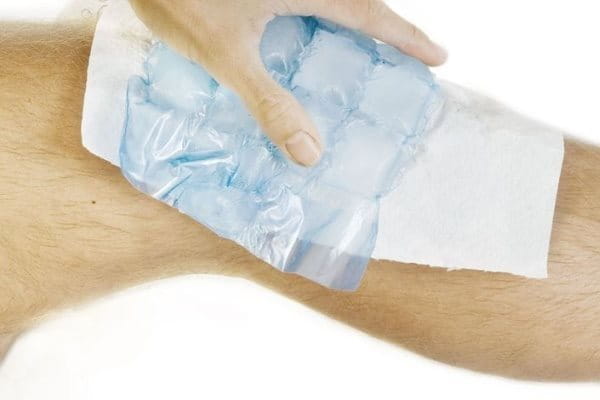
  • Ice therapy: Immediately after the injury, apply an ice pack to the bruised area for 10 to 15 minutes at a time, then wait at least 20 minutes before reapplying. Cooling the blood vessels slows down bleeding into the surrounding tissue, helping to reduce blood flow, swelling, and the size of the bruise.
  • Pain relief: Take paracetamol or ibuprofen to relieve any discomfort if the bruise is painful.

RICER Method for Fresh Bruises:

When it comes to treating a bruise, it helps to remember R.I.C.E.R:

  • Rest: Remove yourself from any danger and rest the affected area to protect it from further damage or straining.
  • Ice: Cold will help reduce swelling and sooth the pain. Apply and wrap an ice pack around the bruise using our Hi-Stretch Support and Compression Bandages for 10 to 20 minutes, as needed.
  • Compression: Another way to decrease swelling is to wrap the bruised area, gently but thoroughly, with a medium weight Elastoplast’s Crepe Bandage.
  • Elevation: Keeping the bruised area at the level of your heart, or higher, will minimise swelling.
  • Rest: Resting the injured area will help to reduce further damage or swelling.

Advanced Treatments for Bruising

Treatment Options at Home

Simple remedies can reduce pain and discoloration:

  • Heat Therapy
    Applying a warm compress after 48 hours improves blood flow to the area and support the natural healing process.
  • Topical Treatments
    Arnica gel, Vitamin K creams, and anti-inflammatory gels help reduce swelling and discoloration.
  • Natural Remedies
    Pineapple (rich in bromelain), turmeric paste, and aloe vera gel soothe inflammation and support recovery.

Professional Medical Treatment

Seek medical care for severe, persistent, or unexplained bruising. Options that may be used by healthcare professionals to address persistent or severe bruising include:

  • Laser Therapy
    Breaks down trapped blood for faster fading.
  • Ultrasound Therapy
    Stimulates circulation and tissue repair.

How to Get Rid of a Bruise Quickly

Within the First Hour
Apply a cold compress to reduce bleeding under the skin and minimise swelling.

Days 1–2
Continue cold therapy and elevate the area to limit discoloration.

Days 3–7
Switch to warm compresses to boost circulation and speed healing. Use topical gels like Arnica or Vitamin K.

2 Weeks or More
Persistent bruises may need professional care such as laser or ultrasound therapy. Seek medical care for severe, persistent, or unexplained bruising

How to Prevent Bruising and Stop Bruising Easily

If you get bruises easily, there are some preventative measures you can do to lower the risk of injury and avoid getting bruises:

Keep your home safe

Ensure your home is well-lit and keep rooms, walkways, and hallways clear of clutter or bulky furniture. This helps prevent accidental trips, slips, or bumps into hard surfaces that can lead to bruising, especially for older adults or anyone prone to falls. Using nightlights and non-slip mats can also add an extra layer of safety.

Nutritional Support

Maintaining a balanced diet with adequate vitamin C and vitamin K is essential for supporting healthy blood vessels and skin, which can help reduce your risk of bruising. Vitamin C helps strengthen capillary walls, while vitamin K plays a key role in blood clotting. Incorporate foods like citrus fruits, leafy green vegetables, berries, bell peppers, and broccoli into your daily meals for optimal skin health and resilience.

Wear protective gear

Wearing protective gear such as the Elastoplast Protective Ankle Support, Protective Wrist Support and Protective Knee Support can help prevent bruises and other injuries during physical activity. This is especially important in high-impact or contact sports where knocks and falls are more likely. These supports work by reducing the force of impact and minimising the risk of broken blood vessels beneath the skin, one of the main causes of bruising.

Key benefits:

  • With Dynamic Pain Guard: provides protection and relief
  • 360° Support Technology
  • Dynamic Pressure Adjustment
  • Thermo-Tech material

Bruising in Different Age Groups

Bruising affects all ages, but causes and care vary. Some people easily get bruises due to age-related factors, so tailored treatments for bruising are important.

Children and Bruising

Active play often leads to minor bruises. Most heal quickly with cold compresses and gentle care.

Adults and Athletes

Sports injuries and intense activity can cause deeper bruises. Use compression, topical gels, and heat therapy after 48 hours.

Elderly and Fragile Skin

Thin skin and weaker vessels make bruising common. Gentle handling, protective padding, and Vitamin K creams help prevent and treat bruises.

When to See a Doctor About Bruising

While most bruises heal on their own, people who easily get bruises or experience unusual symptoms should know when to seek help. Here are key guidelines:

When is Immediate Medical Attention Required

  • Bruises that appear without a clear cause
  • Bruising that lasts more than two weeks
  • Recurring or frequent bruises in the same location
  • Bruising with unusual bleeding (from gums, nose, or cuts), fatigue or weakness, dizziness or fainting.
  • Bruising after a fall or head injury
  • Very large, swollen, or painful bruises
  • Bruises after starting new medication

Questions to Ask Your Doctor

  • What could be causing frequent bruising?
  • Are there underlying conditions affecting clotting?
  • What treatments for bruising are recommended?

If you experience any of these symptoms, it’s important to consult a healthcare professional promptly to rule out any serious conditions and receive appropriate care. When in doubt, seeking medical advice is always the safest choice.

Elastoplast Products for Bruise Care

While most bruises heal on their own, understanding the appropriate bruise care can help speed up the recovery.

Compression and Support: For acute injuries requiring maximum support.

Like our Protective Knee Support which can help prevent bruises and other injuries during physical activity

Soft Gauze: For ongoing support during activity

Try our Soft Gauze to provide extra cushioning on everyday wounds.

Medical Tape or Bandage: For swelling management

Try our Crepe Bandage Heavy for moderate compression to reduce swelling.

FAQs

  • Why am I bruised so easily?

    Easy bruising often results from fragile blood vessels, ageing skin, certain medications, or underlying conditions like clotting disorders. Nutritional deficiencies and genetics can also increase susceptibility.

  • How long can bruising last?

    Most bruises heal within 1–2 weeks. Larger or deeper bruises may persist for several weeks, depending on severity, location, and individual healing factors such as age and health.

  • What does bruised ribs feel like?

    Bruised ribs cause sharp pain when breathing, coughing, or moving. Discomfort may worsen with pressure on the chest and can mimic symptoms of a fracture without bone damage.

  • How long can it take for a bruise to appear?

    Bruises may appear immediately or within hours after injury. Sometimes discoloration develops over 1–2 days as blood leaks under the skin and haemoglobin breaks down.
  • What is the cause of bruising?

    Bruising occurs when small blood vessels break under the skin due to trauma, allowing blood to pool in tissues. Causes include bumps, falls, sports injuries, or medical conditions.