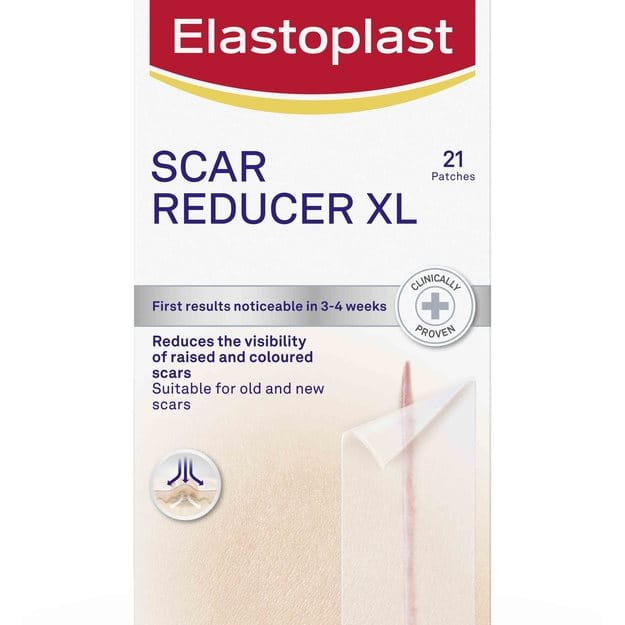

Blisters are caused by friction, pressure and moisture usually from walking too much or poor-fitting shoes. We love a pair of heels although there are a few things to consider if we want our feet to stay comfortable and protected. Elastoplast has the helpful tips and clever solutions when avoiding blisters while wearing heels.
Tips for high heel lovers: Preventing blisters on feet
Of course, we all love a pair of heels. But as fun, feminine and fashionable living the “high life” is, there are a few things to consider if we want our feet to stay comfortable and protected.
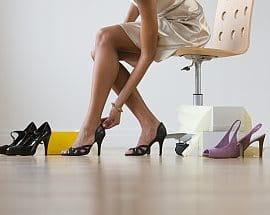
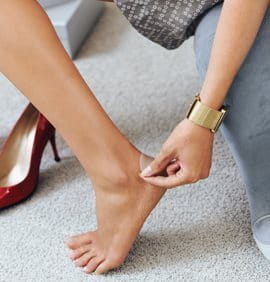
Prepare your feet before wearing heels to help blister prevention
- It‘s a good idea to buy a size too big. You should allow room for a little swelling of the feet. Ideally, buy your heels in the afternoon when your feet have expanded a bit.
- To protect your heels from friction, especially in pointed high heels, apply Elastoplast Blister Plaster to your heels. This will take pressure off the affected areas and help avoid blisters on the feet. Adding padding at the ball of your foot will also reduce discomfort when walking.
- If you are a die-hard high-heel addict, be aware of the risks. To prevent orthopedic issues, go for a lower heel. Even a little can make a difference: a 5cm heel, for example, is likely to cause fewer problems than an 8cm heel.
Smart habits while wearing high heels
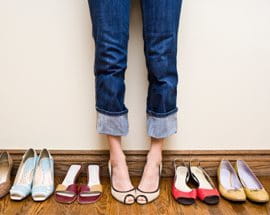
- Rotate your high heels. Don’t wear the same pair all over again, especially if it puts pressure on one specific area of your foot. This will keep corns and blisters at bay.
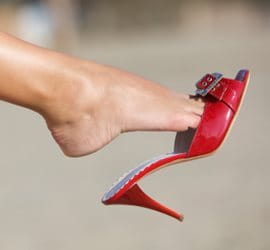
- Choose open-toe pairs of high heels (they are called “peeptoes”) every now and then – your feet won’t be “locked in“ as much.
- Try to reduce the time you spend on high heels by taking a change of shoes to your car, or public transport, then changing them at the place, function or event where you want to show up wearing high heels. And remember: When your feet hurt, your whole body hurts.
Practicing these habits will help you avoid blisters while wearing heels.
Breaking in Heels: If you’re wearing heels for the first time
When wearing new heels, introduce them gradually rather than wearing them multiple times a week. Breaking them in properly helps prevent discomfort and helps reduce the risk of blisters on feet.
- Break in heels at home first, ideally with thicker socks to reduce stiffness
- Rushing into new heels with long wear increases the risk of blisters
- Apply Elastoplast Blister Plaster to your heels to avoid initial blisters
Keep walking with Elastoplast blister plasters!
Acting as barrier, Elastoplast Blister Plaster helps protect the skin from rubbing and pressure caused by high heels. Applying them to common friction points, such as the heel or toes, can help reduce irritation during wear. Its the ultimate solution for immediate pressure and pain relief, powered by Hydrocolloid Technology. Specifically designed to target blisters on toes and heels, these plasters offer relief, ensuring comfort from the moment of application. While proper fit and cushioning are still important, blister plasters offer a simple, practical way to support the prevention of blisters on feet.
Always see your doctor if the wound is deep, bleeding or shows signs of infection like reddening, swelling or warmth.
Also make sure to seek medical help if you are not able to clean the wound properly.
In case you have diabetes a proper wound care is of special importance. Always discuss any concerns you may have with your doctor and/or podiatrist, even for the care of minor wounds and skin cracks – especially on your feet.
Please note that none of the above given tips or recommendations substitute medical advice. Carefully read the instructions for use given in our products‘ packages. Important: consult a health professional in case of any uncertainty of treating your wound properly.
The information provided through this website should not be used to diagnose or treat a health problem or disease. It is not a substitute for professional care or advice. If you have or suspect a health problem, you should consult your doctor. Never disregard professional medical advice or delay in seeking it, because of something you have read on this website.
For further information regarding Elastoplast products, please contact us via email on anz.consumerservices@beiersdorf.com. Carefully read the instructions for use given in our products' packages.
FAQs (3)
-
Can blisters heal without treatment?
Blisters can heal naturally if protected from continued friction and kept clean, but covering them early can help reduce irritation, support comfort, and prevent further pressure during everyday activities. -
How long before a new pair of heels feels comfortable?
New heels usually feel comfortable after several short wears, as materials gradually soften and adapt to your feet. Breaking them in slowly at home helps minimise discomfort and reduces blister risk. -
Are gel cushions better than blister plasters?
Both options have benefits; cushioning helps distribute pressure, while Elastoplast Blister Plasters provide targeted relief using Hydrocolloid Technology, creating a protective, waterproof barrier that reduces friction and supports healing for heels and toes.