
Post-operative wounds, also called surgical wounds, occur after an incision performed by medical professionals in a targeted and precise manner under sterile conditions. Patients recovering at home or caregivers may need to understand post-operative wound care. The dressing and wound pad size should always be chosen with the wound size to ensure that the wound area is completely covered by the wound pad. As wounds differ in size, closure methods and care may look different for each patient.
What are Post-Operative Wounds?
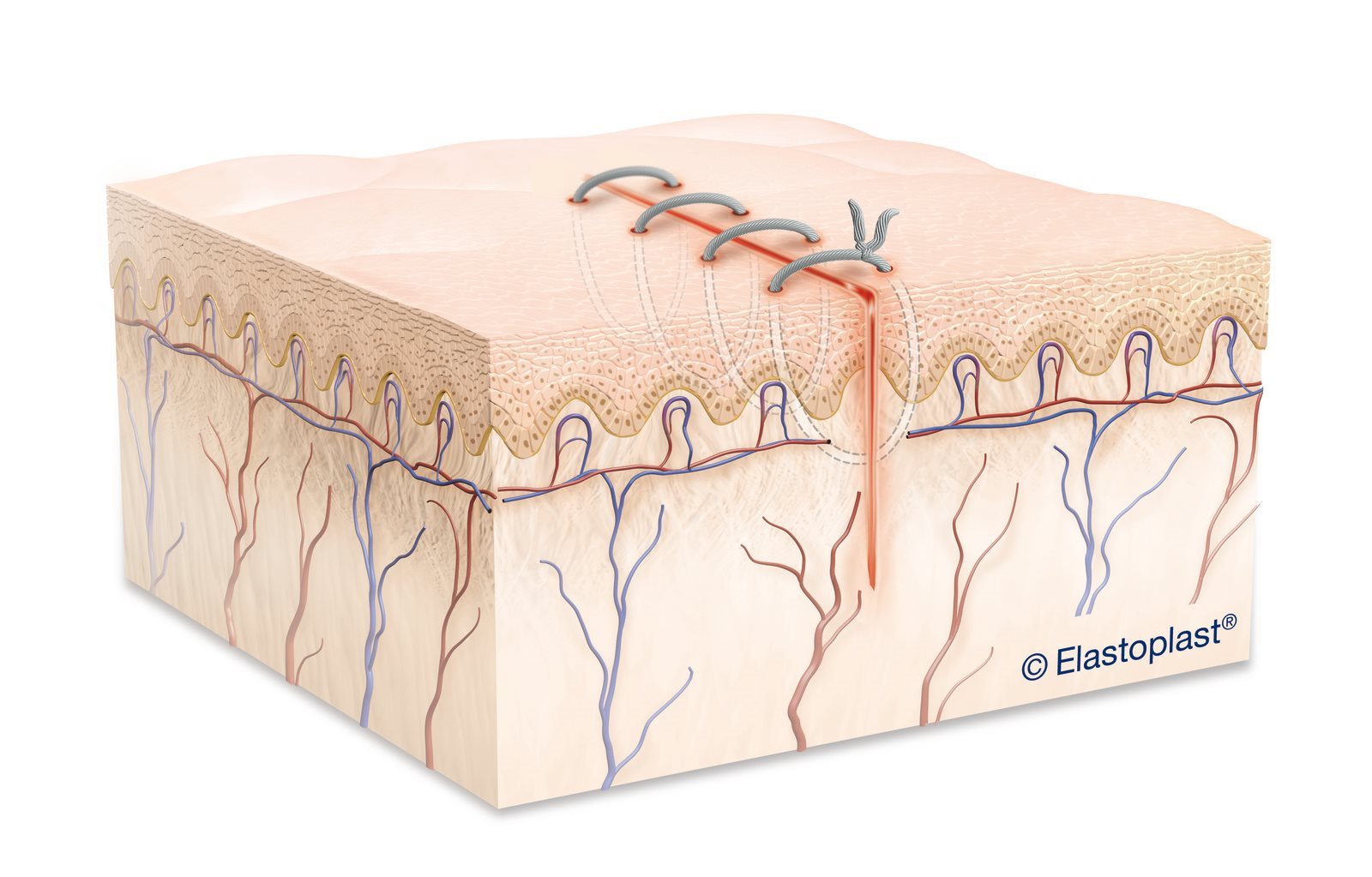
Post-operative wounds are characterised by regular sharp, clean wound edges and often closed with sutures, glue or staples. Dry wound care may be recommended depending on clinical advice, i.e. covering the wound with a dressing without providing moist wound healing conditions.
Dressing Requirements
- Sterile dressings that absorb fluid and protect the wound.
- Dressing size should match wound size.
- Dry wound care may be used for uncomplicated, early-stage wounds.
- Alternatives: sterile compress + unsterile fixation (tape, bandage) depending on location and patient preference.
Step-by-Step Post-Operative Wound Care
Post-operative wound care is always related to the individual wound situation, and the treatment should be performed as per the doctor's recommendation.
Reducing the risk of Infection
- Keep wounds and hands clean.
- Change the dressing under antiseptic/hygienic conditions.
- Use sterile wound dressings.
- Observe the wound regularly for redness, discharge or fever.
Supporting Healing and Reducing Scarring
- Proper care can reduce the risk of scarring and complications.
- Minimises pain during dressing changes.
- Encourage undisturbed healing.
What Patients Can Do
- Pre-operative: hygiene and preparation per surgeon’s advice.
- Post-operative: observe would, follow doctor’s and dressing instructions and report any complications.
How can you treat your wound?
Preparing for Care
- Wash hands thoroughly.
- Wear gloves.
- Ensure a clean workspace.
Dressing the Wound
- Use sterile dressing only.
- Follow doctor’s timing for first change and subsequent changes.
- Change as recommended by your doctor.
Monitoring the Wound
- Look for signs of infection: redness, swelling, discharge.
- Observe for changes in pain, temperature, or wound edges.
Sterile conditions
Even though full sterile conditions are not given at home, sterile dressings are still essential for post operative wounds because they help minimise the risk of infection and support proper healing. Applying them hygienically is simple but important:
- Wash your hands thoroughly before treatment.
- Put on clean gloves.
- Open and apply the dressing without touching the wound pad (non touch technique).
- These steps help protect the wound during dressing changes at home.
Treatment options for post-operative wounds at home
Post-operative wound care is always related to the individual wound situation, treatment as per the doctor's recommendation.
When treating a post-operative wound make sure to wash your hands thoroughly, put on gloves to prevent infections and use sterile dressings.
When treating a post-operative wound make sure to wash your hands thoroughly, put on gloves to prevent infections and use sterile dressings.


.webp?rx=0&ry=0&rw=540&rh=430&mw=540&hash=BE294C333EF47EEEDDF068E230B71C12)
Supporting Healing and Reducing the Risk of Scarring
After the wound has closed and any sutures have been removed, ongoing care supports optimal healing. Keep the area clean, protected, and moisturised as advised to maintain the skin barrier and comfort. Newly healed skin is fragile, so protect it from sun exposure to reduce pigmentation changes and scarring. Avoid friction, excessive tension, and picking, as these can reopen tissue or worsen scar formation. Remember that healing timelines and scar appearance vary by individual, skin type, and wound characteristics. Consistent, gentle care and patience are essential while the skin continues to heal during the recovery process.